
Turn a complex problem into a defensible decision.
DecisionMind runs multi criteria decision making methods on one platform. The application runs at decisionmind.app; this page is the institutional registry.
- validated methods
- 555
- step analysis flow
- 8
- paradigms
- 6
Why isn't a ranking enough on its own?
Putting a decision problem into a table is not hard; the difficulty starts when the same matrix run through a different method changes the ranking.
What gets defended before a reviewer or a committee is not the ranking itself but the path that produced it; the answers do not live in a spreadsheet.
DecisionMind was built to close that gap: a written contract, repeatable computation, a report with its reasoning. We explain the concept itself in the multi criteria decision making guide.
What is a manifest contract?
Every method on the platform is bound to a manifest file: the method's contract, stating three things clearly.
- Which paper it rests on; the source and version applied are written down.
- Which assumption it accepts; scale type and data conditions are stated openly.
- What it does not do; the method's limits are written in the same file.
The manifest is the file that feeds the engine; what you read and the code behind it come from the same source. TOPSIS, VIKOR, PROMETHEE II, ELECTRE III, Fuzzy TOPSIS and AHP all follow the same rule.

Paradigm comparison
A decision problem does not fit a single mathematical framework; as uncertainty changes, so does the paradigm to use. The platform supports six.
Classical
For when criterion values can be given as exact numbers; uncertainty is not modelled.
Fuzzy
For when the assessment comes as linguistic terms like high, medium or low; values carry a membership degree.
Neutrosophic
For situations where the expert stays undecided; truth, indeterminacy and falsity are kept separate.
Grey
For when data is missing or known only as a range.
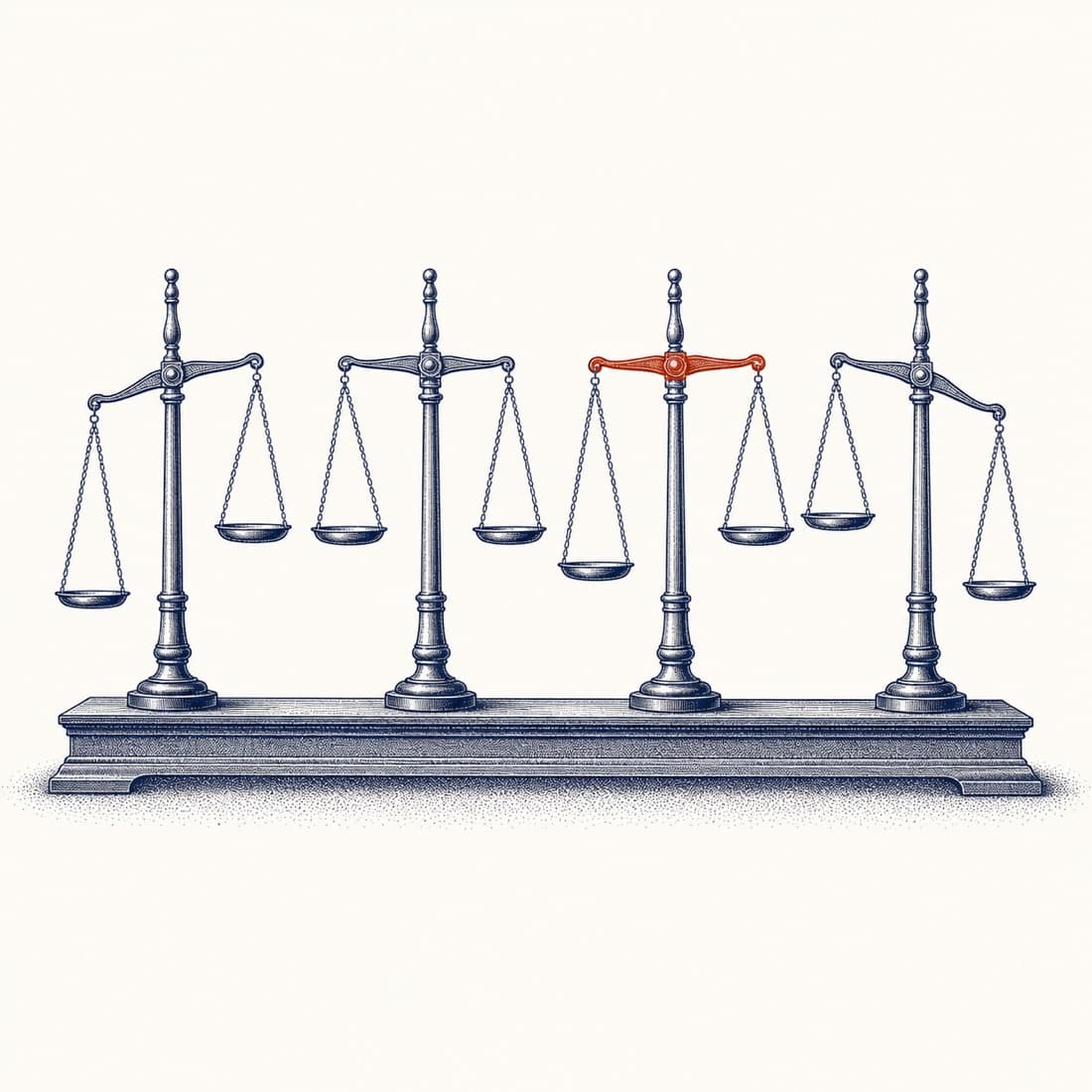
The interval and stochastic paradigms are part of the same flow too; seeing how much a ranking shifts across paradigms shows how solid a decision is.
waiting on two runs
Filling the decision matrix: row A1 in progress.
flow 3/8Audit trail and report
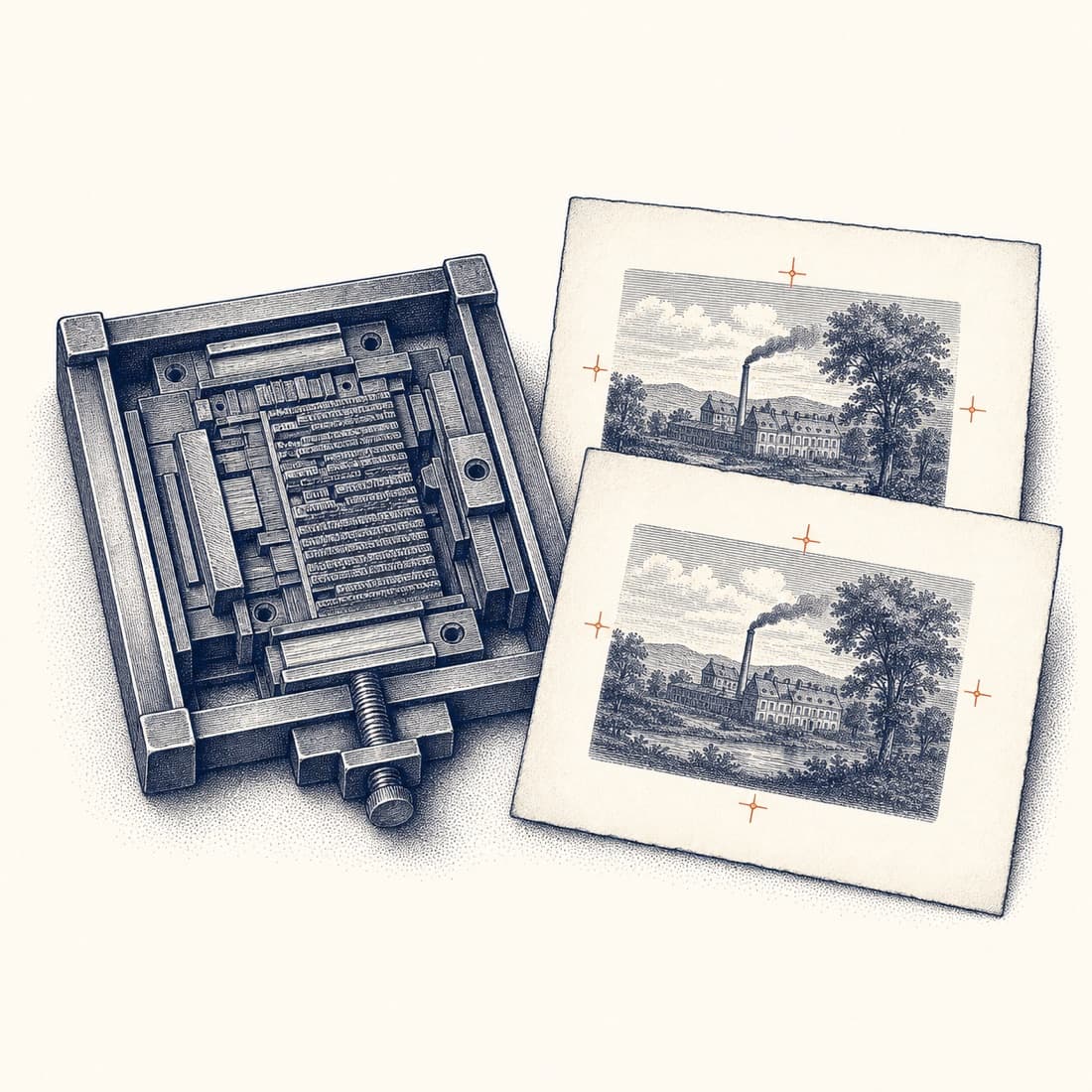
The analysis runs through an eight step flow; every step's input, intermediate matrices and output are recorded and traceable afterwards.
Computation is deterministic: the same input and method give the same result on every run, independent of a language model's output.
The report exports as PDF, Word and Excel; Method Lab opens a separate workspace for comparing methods side by side. We go into the principle behind this approach in the traceable AI guide.
Who is it for?
- Researchers who need to justify a method choice to a reviewer for a thesis or paper.
- Institutions that need multi criteria decisions like supplier or site selection on record with written reasoning.
- Graduate programmes and methods courses running the same problem through different methods.
Institutional use
In house use, pilot deployment and multi user setup are discussed separately.

Related guide


Sibling products
DecisionMind is the decision link in the chain; the two steps before it each run in their own product.


Let's talk about your institution.
Write in for a demo, an institutional licence, a pilot deployment or an academic collaboration; we prepare your procurement documents.