PaperMind
Literature search
Literature review, research gap identification and topic development.

Three products are live, nine are in development; this page shows where those nine stand today, with no dates, because one not kept leaves behind nothing but a broken promise.
Every step of research is its own specialism: testing a scale's validity, building an econometric model and coding an interview transcript are not the same work, each has its own literature.
The inputs are not shared either: Verbatim works with raw text, Scale with scale items, EconMind with econometric data, DecisionMind with a matrix of criteria; a tool covering all of them ends up deep in one and forcing the rest into a form.
The method collections are compiled separately too: ScholarGate carries 8,178 method records from 236 fields, DecisionMind 555 methods bound to a manifest contract; both were collected only for their own step. The separation ends there: all twelve products share the same engine, provenance rule and audit trail, which is what the chain is for.
Every product sits on the same four stage scale. The meter shows how many boxes are filled, the label next to it is the product's status name; no product is shown ahead of where it stands.
Today, three of the nine products are at prototype stage and six at idea stage; the beta column is empty. The label tells products at the same stage apart: five of the six idea-stage products are labelled Roadmap, one Translate, the shared layer that makes the other products' output multilingual.
For a visitor this means: you cannot try a product at idea or prototype stage today, only read its scope. The ones you can try are in the live column, not on this list.
Scope and method are defined, software development has not started.
A working version exists but it is not open externally.
Open to a limited set of users, the product is still changing.
Open to everyone, running on its own domain.
Literature search
Literature review, research gap identification and topic development.
Method selection
Method recommendations based on data structure, problem framing and methodological requirements.
Language layer
Multilingual translation and language adaptation for academic text and platform output.
Qualitative analysis
Qualitative data analysis, coding reliability and content analysis.
Statistics
General statistical analysis, writing up findings and reporting.
Econometrics
Econometric modelling and data analysis.
Scale development
Scale development, validity and reliability analysis.
Peer review
Pre publication academic assessment and peer review simulation.
Defence rehearsal
Thesis defence preparation and academic presentation rehearsal.
Writing a date turns it into a debt: the day comes, the product does not, and what is left is an unsettled account. The stage label carries no such risk, since it can be checked from outside; when a stage changes, the row on this page changes.
For the same reason there is no order on the list either, the arrangement is a grouping by stage; the top three are there because they are at prototype stage, not because they ship first.
It leaves this list. Its row is deleted, the product's own page opens in its place, and that page is added to the products section. Three products have completed this path today; all of them appear below this page.
These nine products do not have separate pages, a product's page opens once it goes live, not before.
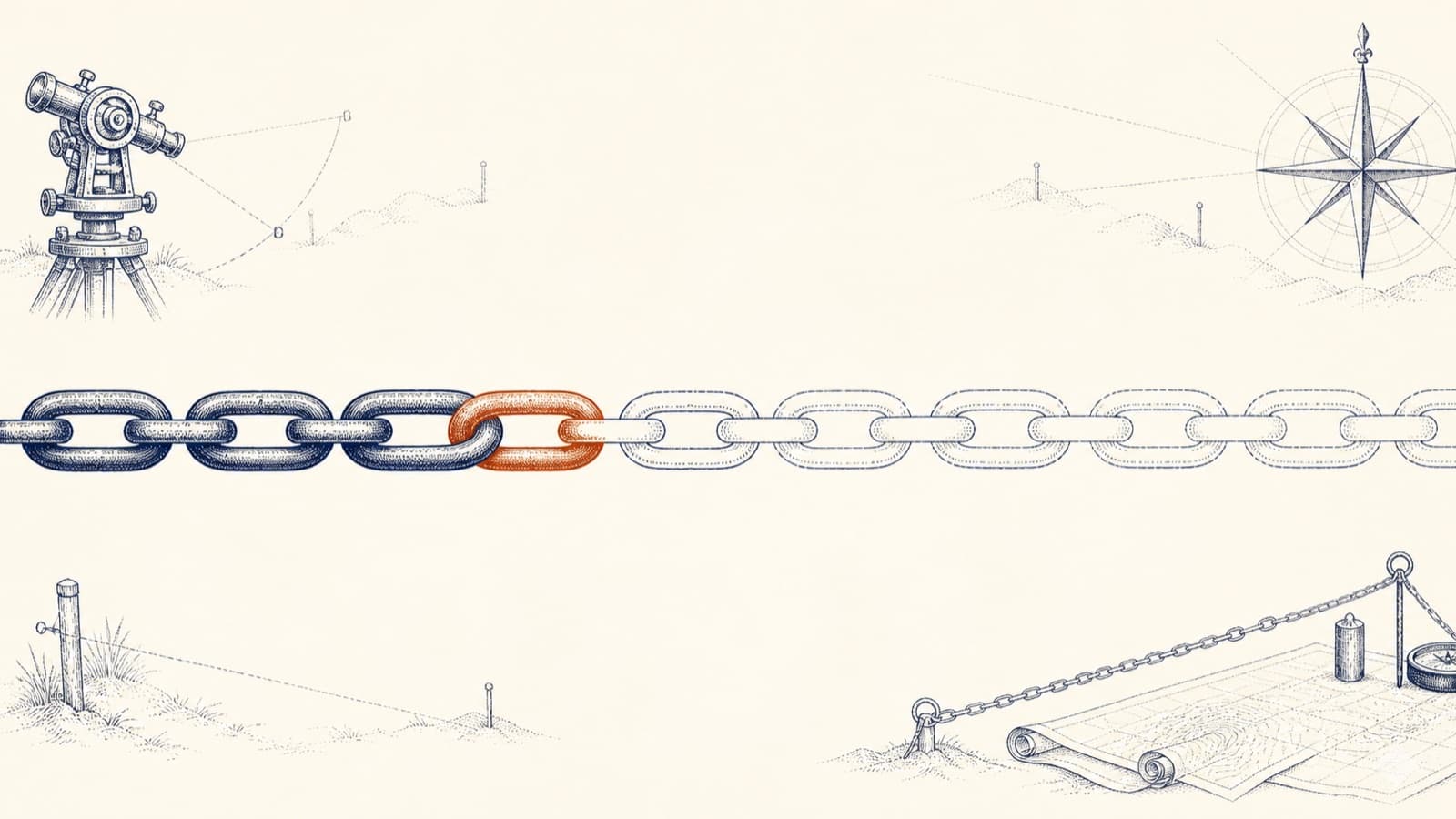
The chain has three links that work today: finding the method, reading the literature and seeing the gap, and turning the decision into something defensible. Each one is explained in full on the products page.
If a product on the roadmap would be useful for your institution, write to us; which one comes first is decided by the needs we discuss.