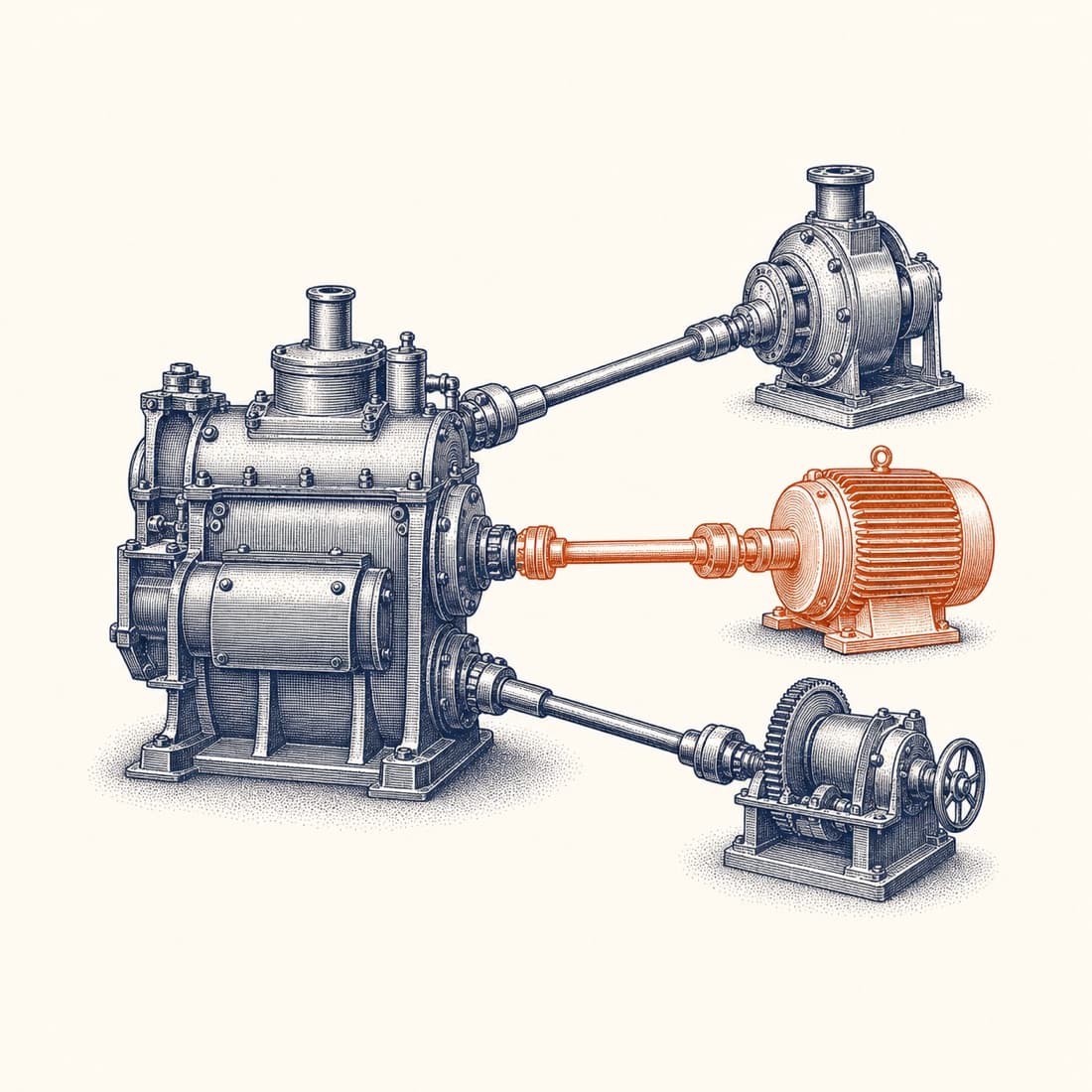
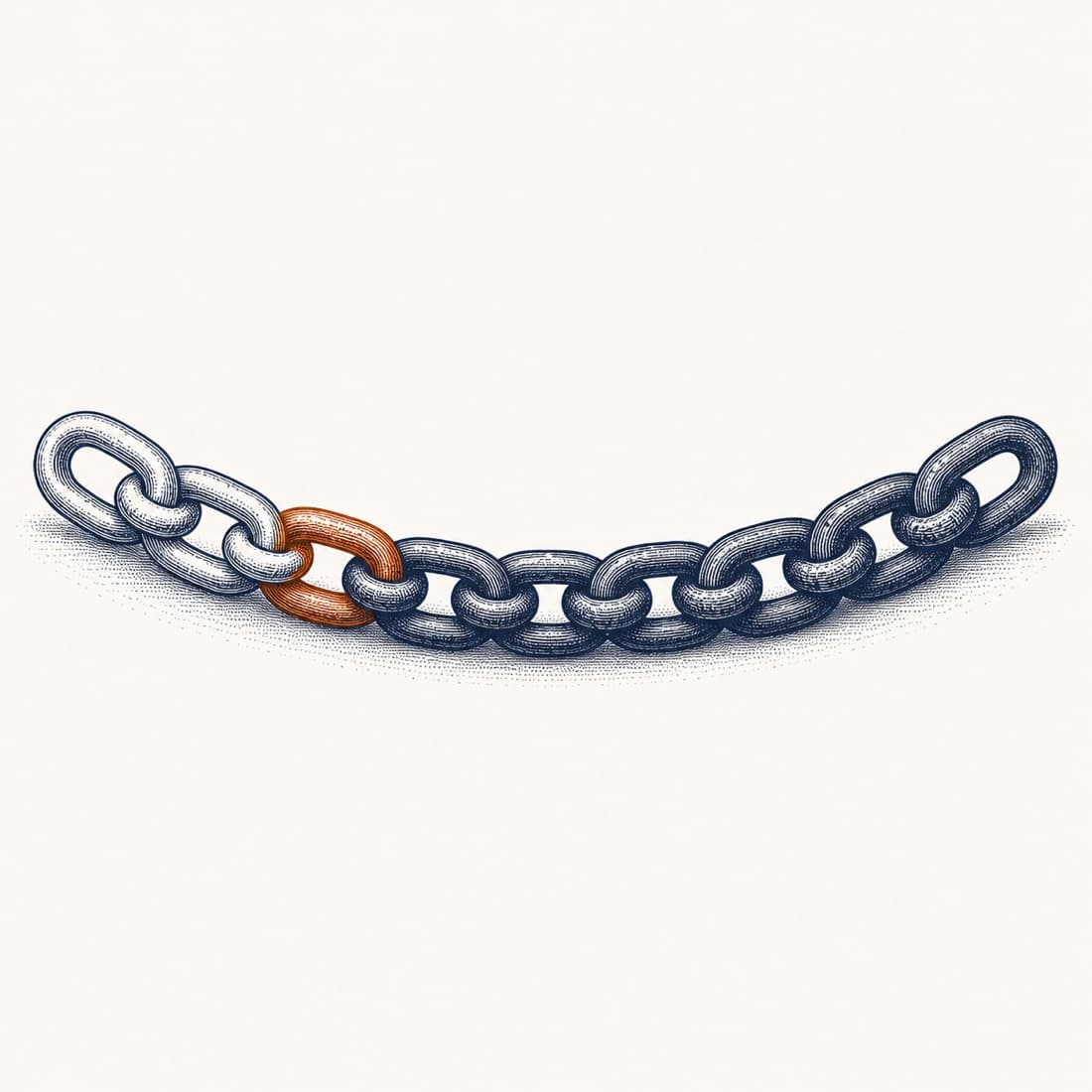
Three platforms, one chain.

Finding a method, seeing the gap in the literature and defending a decision are separate jobs. Each step has its own product; all three are live today.

The three live products cover method selection, gap detection and decision analysis; the other nine are staged on the roadmap.

In what order does a piece of research move?

  1. 01

    Finding methods

    ScholarGate

    Which method family answers a question is not obvious from the start. ScholarGate opens the methods as families, links every record to its paper.

  2. 02

    Literature and gaps

    Lacuna

    Once the method is set, the next step is what the field itself says. Lacuna reads the literature as a network, a map and evidence, then turns the gap into a research question.

  3. 03

    Decision analysis

    DecisionMind

    Once data is collected the criteria pull against each other; no ranking falls out on its own. DecisionMind runs the methods deterministically and hands back the ranking with its reasoning.

The steps feed each other but are not chained together; if you only need the decision analysis, DecisionMind can be used on its own.

Three products live today

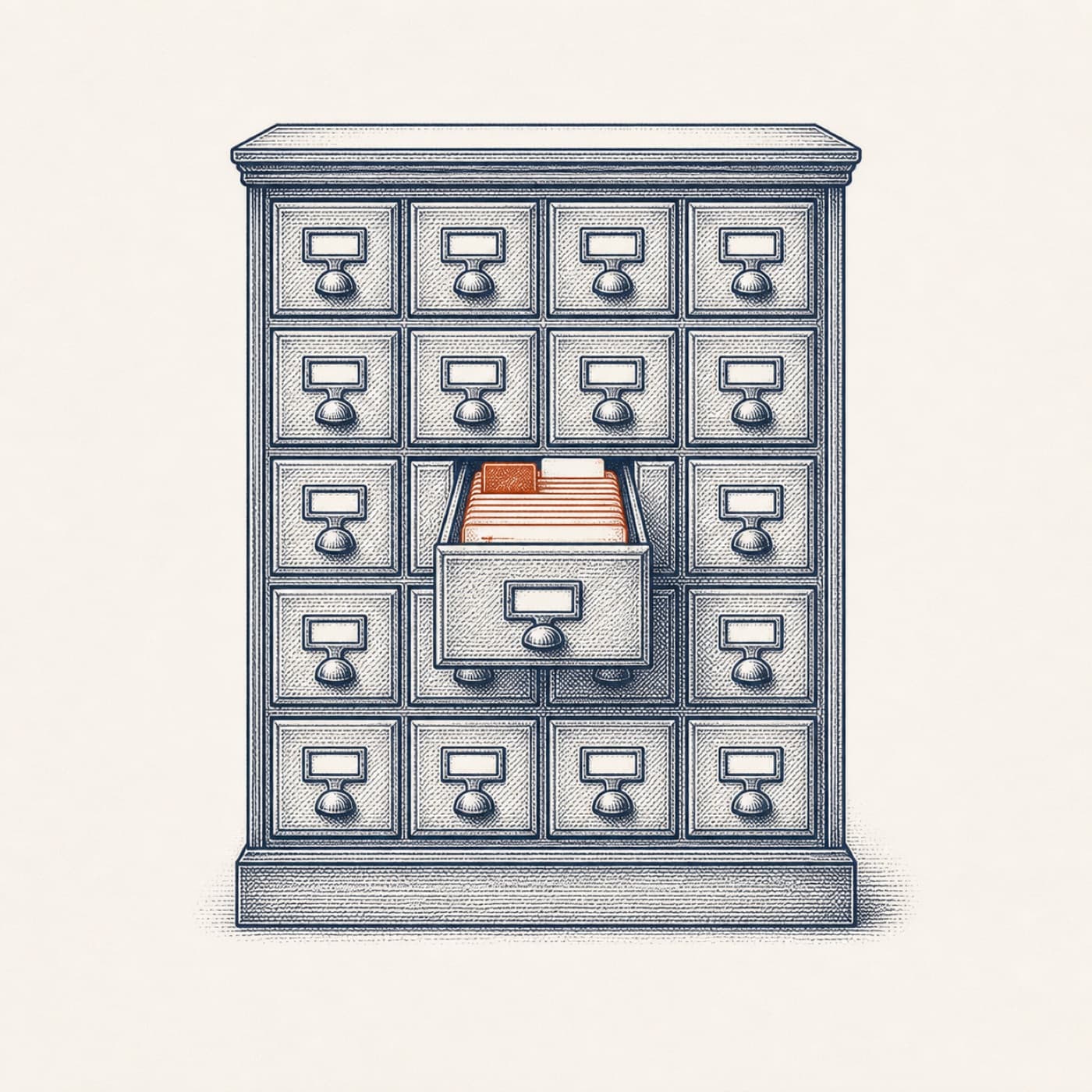
Engraving: a multi drawered library card catalogue, the middle drawer open with rust coloured record cards inside

ScholarGate

Choosing a method takes five minutes. Justifying that method to a reviewer takes five weeks.

ScholarGate opens 8,178 research methods across 236 fields, organised into families. What each method is, how it works and which paper it comes from is written down with its source. Not a calculator, a library.

methods
8,178
fields
236
searchable records
34,634
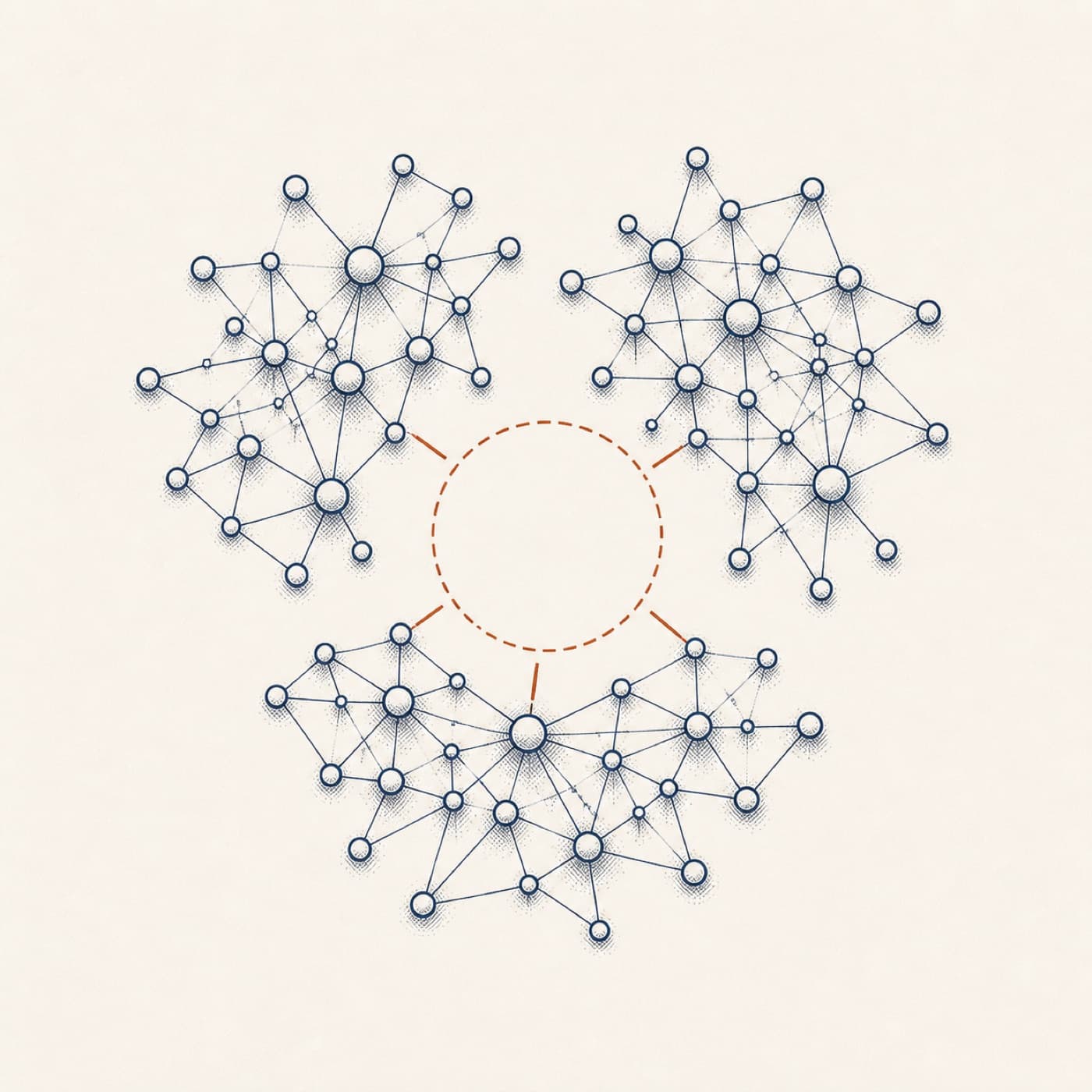
Engraving: three dense node clusters with an empty rust coloured dashed circle marking the space between them

Lacuna

Anyone can see what a literature has studied. The value is in seeing what it has not.

Lacuna reads a field through three engines at once: bibliometric network, thematic map and meta analytic evidence. It marks the gap left between clusters and turns that gap into a defensible research question.

analysis engines
3
clustering
Leiden
languages
10
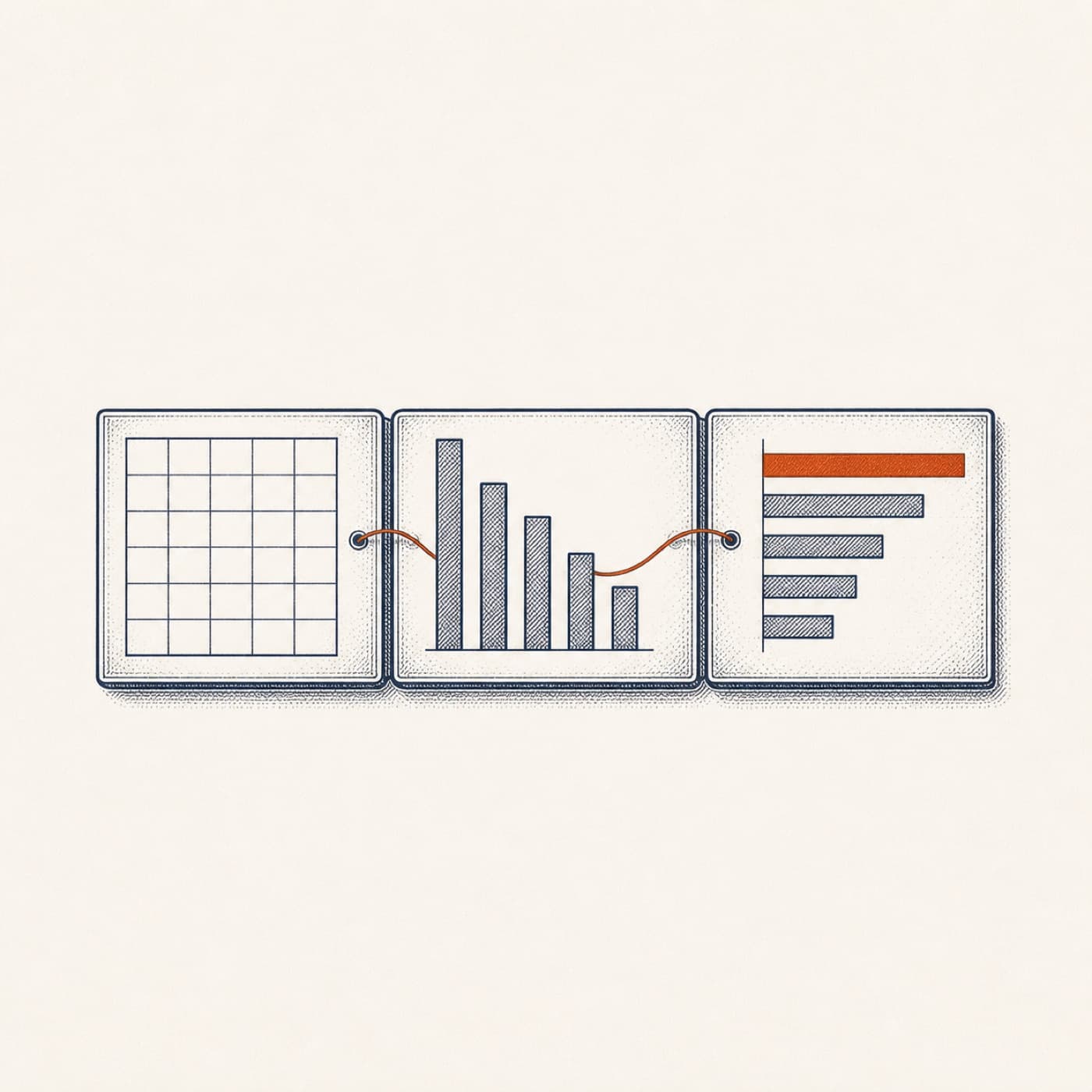
Engraving: three panels going from a criteria matrix to a weight chart to a ranking whose top row is marked in rust

DecisionMind

Producing a ranking is easy. Defending why the ranking came out this way is the real work.

DecisionMind runs 555 scientifically validated multi criteria decision making methods on one platform. Every method is bound to a manifest contract; computation is deterministic and every step is written to the audit trail.

validated methods
555
step analysis flow
8
paradigms
6
scimind · ürün hattıdoğrulanmış durum
Literature search1/9

PaperMind

Literature review, research gap identification and topic development.

Fikir
Prototip
Beta
Canlı

Durum: In development

Hattın tamamı
The nine products in development come forward in turn; each one's job and stage are written out.

What do the three products share?

What they share is not the interface, it is the way they work; all three follow the same three rules.

The same engine

None of them generate free text; each one runs a defined workflow end to end.

The same provenance rule

A result carries which data and method it came from.

The same audit trail

Input, intermediate step and output are all recorded; the same analysis on the same data gives the same result.

These rules are not marketing copy, they are the company's own working principle. The Company page describes how they are applied.

Where to go from here

Which step are you stuck on?

Write in for a product demo, an institutional licence, a pilot deployment or an academic collaboration.